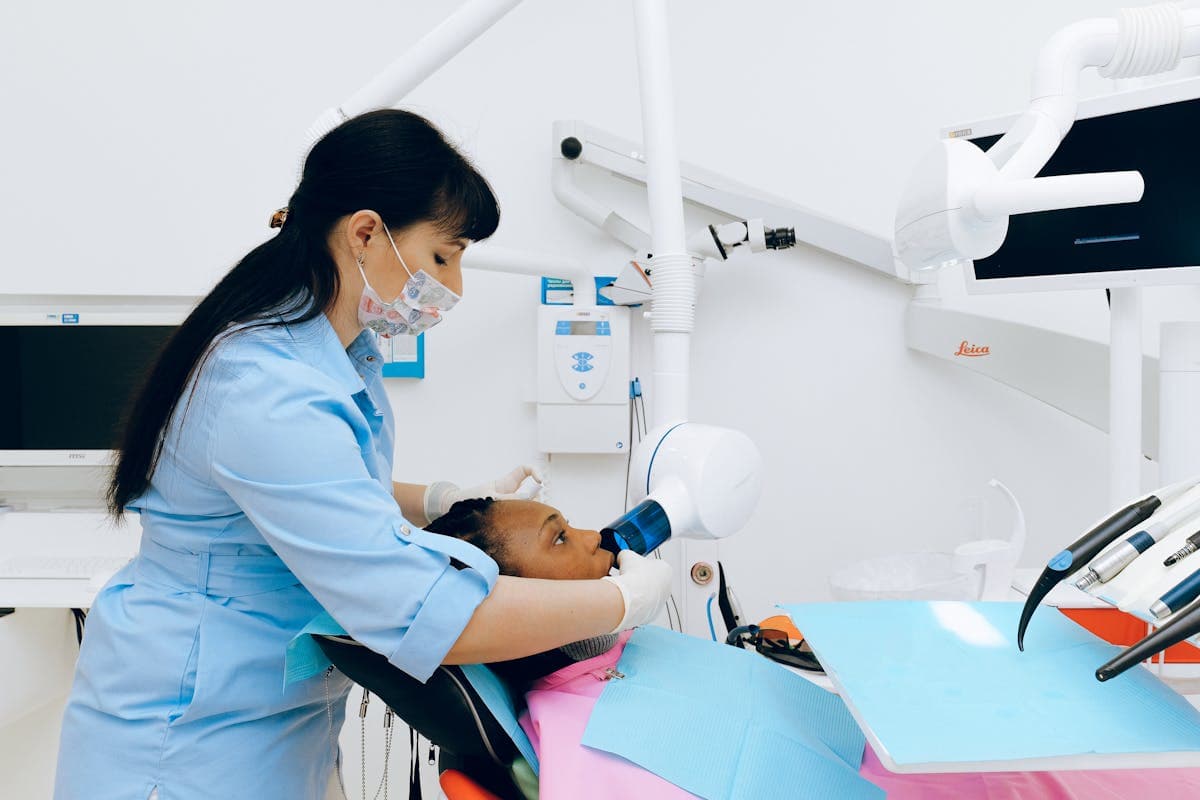
If you've lost one or more teeth, you've likely been weighing your options. Two of the most common solutions are dental implants and dentures. Both can restore function and appearance — but they work very differently. Here's an honest comparison to help you make an informed decision.
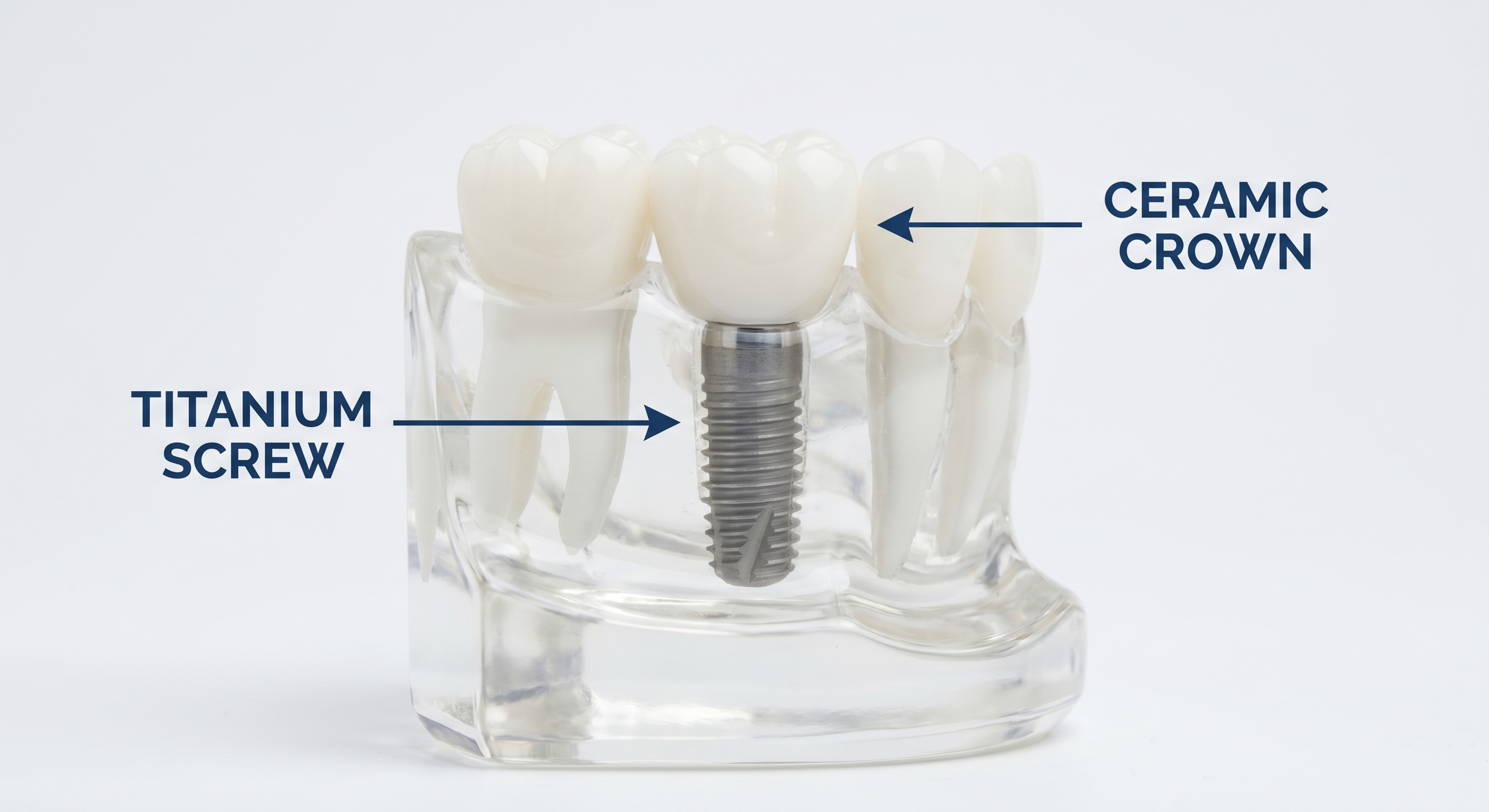
How Dental Implants Work
A dental implant is a small titanium post surgically placed into the jawbone. Over several months, the bone fuses around the implant (osseointegration), creating a permanent anchor for a custom-made crown.
Implants replace the entire tooth — root and all. This is what sets them apart from most other tooth replacement options.
How Dentures Work
Dentures are removable prosthetic teeth. They sit on top of the gums and are held in place by suction, adhesive, or clasps that hook onto remaining teeth.
- Full dentures replace all teeth in an arch
- Partial dentures replace several teeth while preserving remaining natural teeth
Side-by-Side Comparison
| Feature | Dental Implants | Dentures |
|---------|----------------|----------|
| Stability | Fixed in jawbone | Removable; may shift |
| Bone preservation | Stimulates bone growth | Bone loss continues |
| Lifespan | 20+ years with care | 5–10 years before replacement |
| Eating ability | Near-natural chewing | Some food restrictions |
| Maintenance | Brush and floss normally | Remove and clean daily |
| Speech | Natural speech | Adjustment period common |
| Initial cost | Higher upfront | Lower upfront |
| Long-term cost | Often lower over time | Ongoing adjustments & replacements |
The Bone Loss Factor
This is perhaps the most important difference that many patients don't initially consider. When a tooth is lost, the jawbone beneath it begins to shrink — a process called resorption. Dentures sit on top of the gums and don't stimulate the bone, so this deterioration continues.
Dental implants, because they're placed within the bone, provide the stimulation needed to maintain bone density. Over years, this can make a significant difference to facial structure and long-term oral health.
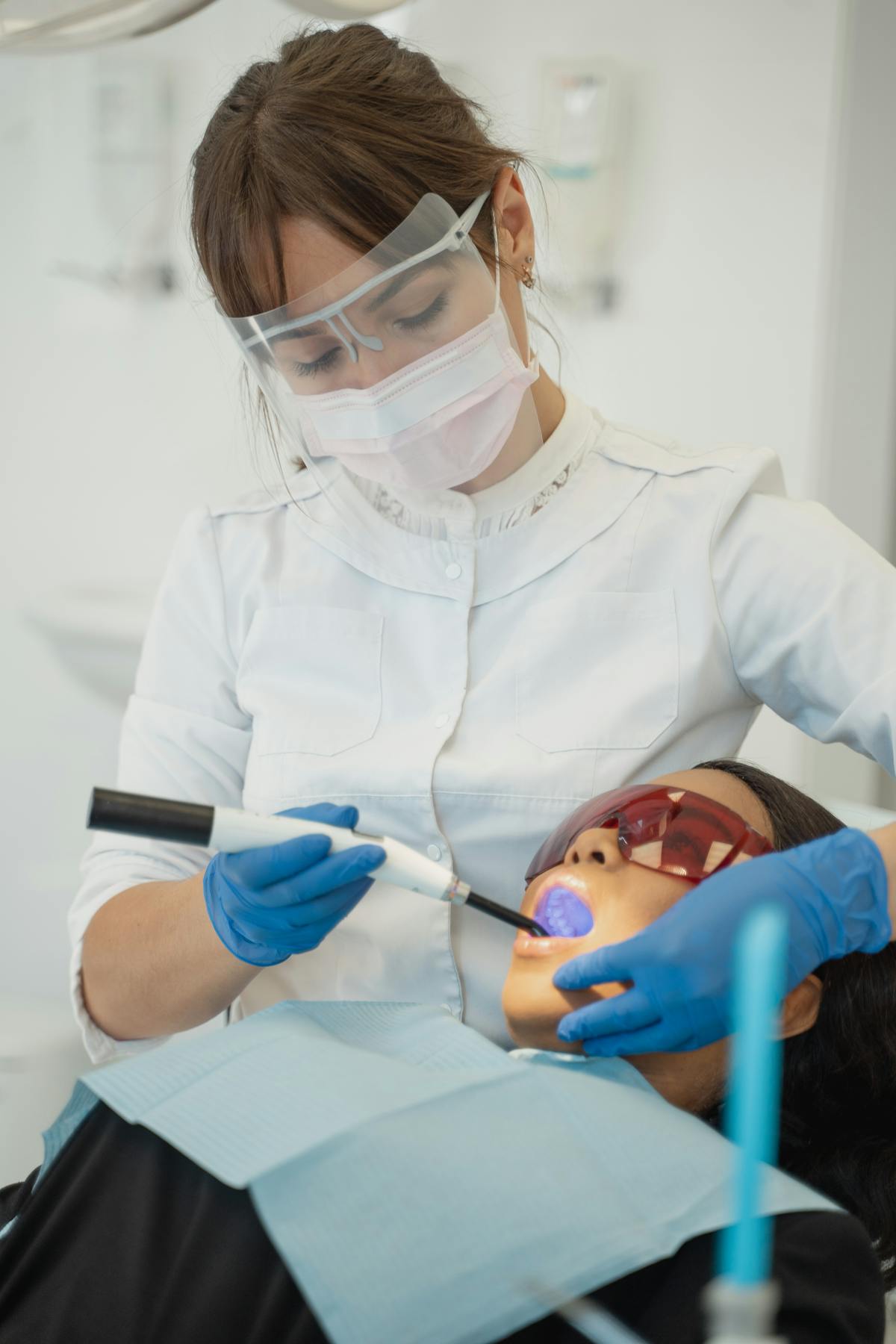
Comfort and Daily Life
With implants: Once healed, implants feel like natural teeth. There's no removing them at night, no adhesive to apply, and no worry about them shifting during meals or conversations.
With dentures: Modern dentures are vastly improved from older generations, but many wearers still experience occasional slippage, sore spots, and restrictions on certain foods (hard, sticky, or chewy items).
The Cost Question
Dental implants have a higher initial cost than dentures. However, when you factor in the longevity of implants versus the need to replace and reline dentures every 5–10 years, the lifetime cost often balances out — or even favours implants.
For patients who need to replace an entire arch of teeth, All-on-X implant solutions offer a middle ground: a full arch of teeth supported by just 4–6 implants, rather than individual implants for every missing tooth.
Who Is a Good Candidate for Each?
Implants may be right for you if:
- You have adequate jawbone density (or are a candidate for bone grafting)
- You want a long-term, fixed solution
- You're in reasonable general health
- You want to preserve jawbone structure
Dentures may be right for you if:
- Budget is a primary concern
- You have health conditions that make surgery inadvisable
- You need a faster solution
- You've experienced significant bone loss that would require extensive grafting
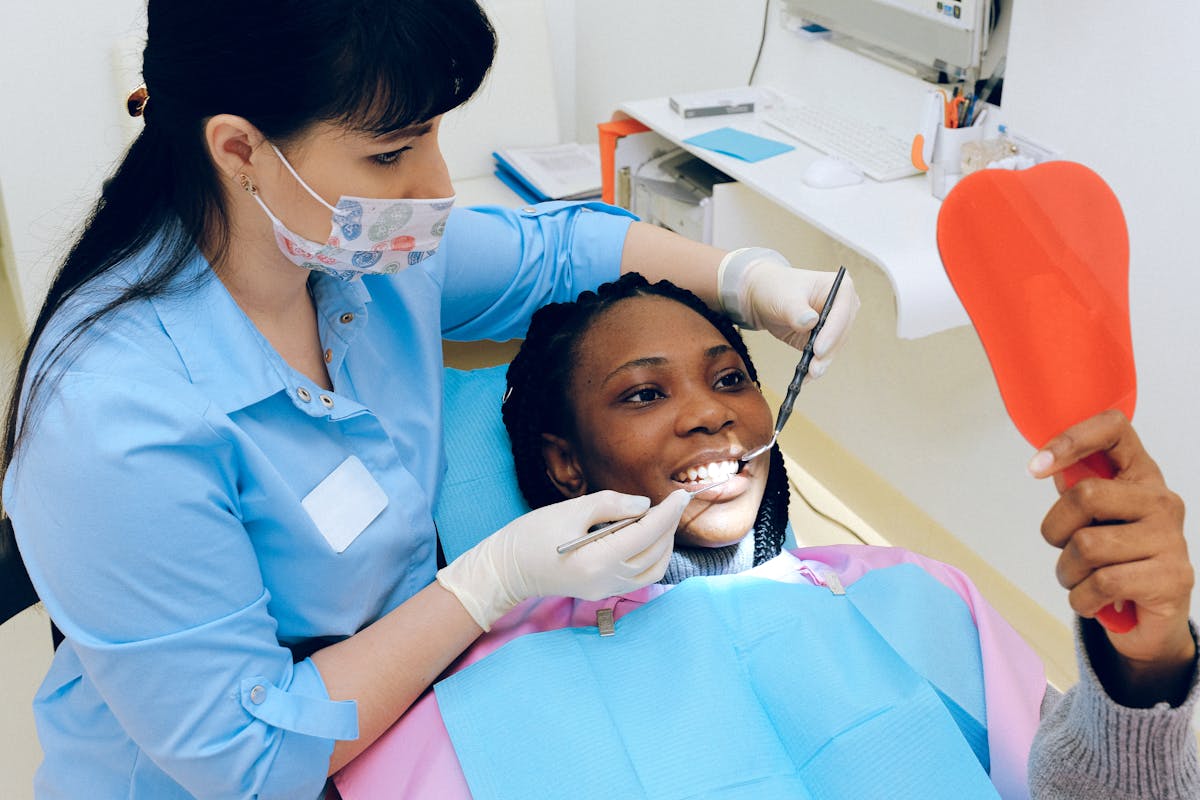
A Third Option: Implant-Supported Dentures
It doesn't have to be one or the other. Implant-supported dentures combine the affordability of dentures with the stability of implants. Two to four implants are placed in the jaw, and a denture clips securely onto them. This eliminates the slippage issue while being more affordable than a full set of individual implants.
Dr. Cho has a special interest in implant dentistry and has placed over 9,000 implants throughout his 35+ year career. He can help you understand which approach suits your situation, budget, and long-term goals.
Frequently Asked Questions
Can I convert my existing dentures to implant-supported dentures?
In many cases, yes. Implants can be placed beneath existing dentures and the denture modified to clip onto them. Dr. Cho can assess whether your current dentures are suitable for conversion.
How long do dental implants actually last?
With proper care, dental implants can last 20 years or more. The crown on top may need replacement after 10–15 years due to normal wear.
Will I need to go without teeth during the implant process?
No. Temporary teeth can be provided during the healing period so you're never without a functional smile.
Are dentures difficult to get used to?
There is an adjustment period of several weeks. Speech and eating may feel different at first, but most patients adapt with practice.
Let's Discuss Your Options
Every patient's situation is different. What works well for one person may not be the ideal choice for another. Book a consultation at Shine Dental so Dr. Cho can assess your oral health and explain your options clearly.
We serve patients throughout Newington, Silverwater, Lidcombe, Auburn, Wentworth Point, and Sydney Olympic Park.
Call (02) 9748 4822 or visit our contact page to book.
Shine Dental — Unit 5, 8 Avenue of Americas, Newington NSW 2127
Open Mon–Wed & Fri 9am–5pm, Thu 9am–12pm