"You Don't Have Enough Bone for Implants" - Is That Really True?
If you've been told you can't have dental implants because of bone loss, you're not alone. It's one of the most common things patients hear - and it's not always the full picture.
While bone quality absolutely matters for implants, modern techniques have expanded the range of what's possible. Let's look at the reality.
Why Bone Loss Happens in the First Place
Your jawbone needs stimulation to maintain its density - and tooth roots provide that stimulation. When a tooth is removed, the bone in that area starts to shrink. It's a natural process, but it has consequences:
- The longer a tooth has been missing, the more bone is lost
- Wearing dentures for years accelerates the process (they sit on the gum, not in the bone)
- Gum disease can damage the bone around remaining teeth
- Certain medical conditions affect bone density generally
What Can Actually Be Done
Bone Grafting This is the most straightforward solution. Bone material is placed in the deficient area and given time to integrate with your natural bone - typically 3-6 months. Once healed, there's enough solid bone to place an implant.
It's a well-established procedure with decades of clinical evidence behind it.
The All-on-X Approach This is where it gets interesting. The All-on-X technique uses angled implants that reach into areas where bone is naturally thicker. For many patients with moderate bone loss, this means getting full arch implants without needing bone grafts at all.
Sinus Lifts For the upper jaw specifically, there's often a challenge with the sinus sitting close to where implants need to go. A sinus lift gently raises the sinus floor and places graft material underneath. It's more common than you'd think.
Short Implants Modern short implants (6-8mm rather than the traditional 10-13mm) can work in areas with limited bone height. They have strong clinical evidence supporting their long-term success.
The Assessment Makes All the Difference
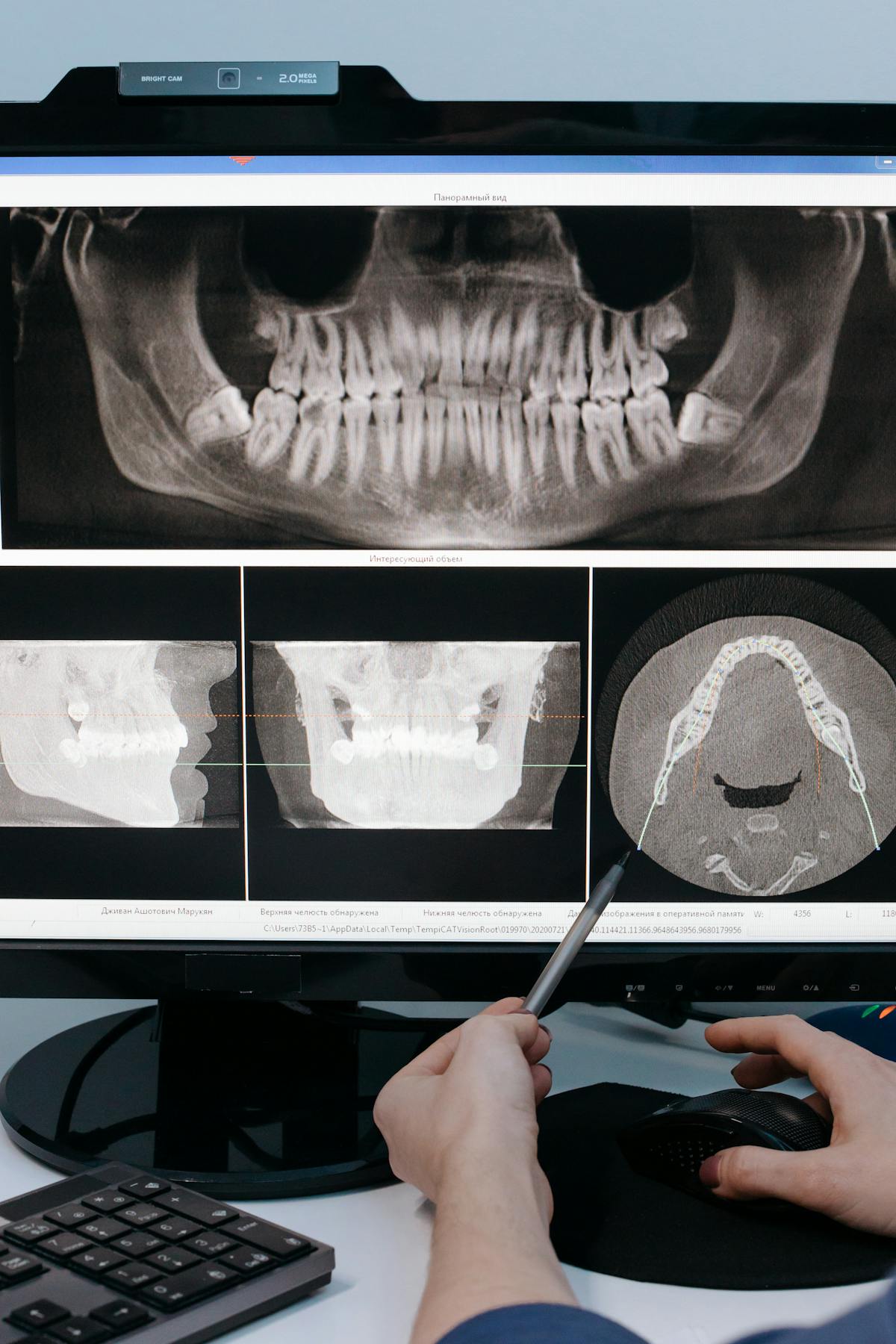
This is genuinely a case where you need proper imaging to understand what's possible. 3D scans show exactly how much bone you have, where it's strongest, and what approach makes sense.
Dr. Cho has extensive experience with complex implant cases. He'll be straightforward about what's achievable and what isn't - there's no point in recommending treatment that isn't likely to succeed.
Worth Getting a Second Opinion
If you've been told no, it may be worth consulting a dentist experienced in implant dentistry. Techniques have advanced significantly, and what wasn't possible five years ago may be possible now.
Want to know if implants could work for you? Book an assessment at Shine Dental Newington - (02) 9748 4822.
Note: Suitability for dental implants depends on individual clinical factors. Not all patients are candidates, and honest assessment is essential before proceeding.