A dental emergency can happen at any time — a knocked-out tooth during sport, sudden severe pain, or a broken restoration. Knowing what to do in those first critical minutes can mean the difference between saving and losing a tooth.
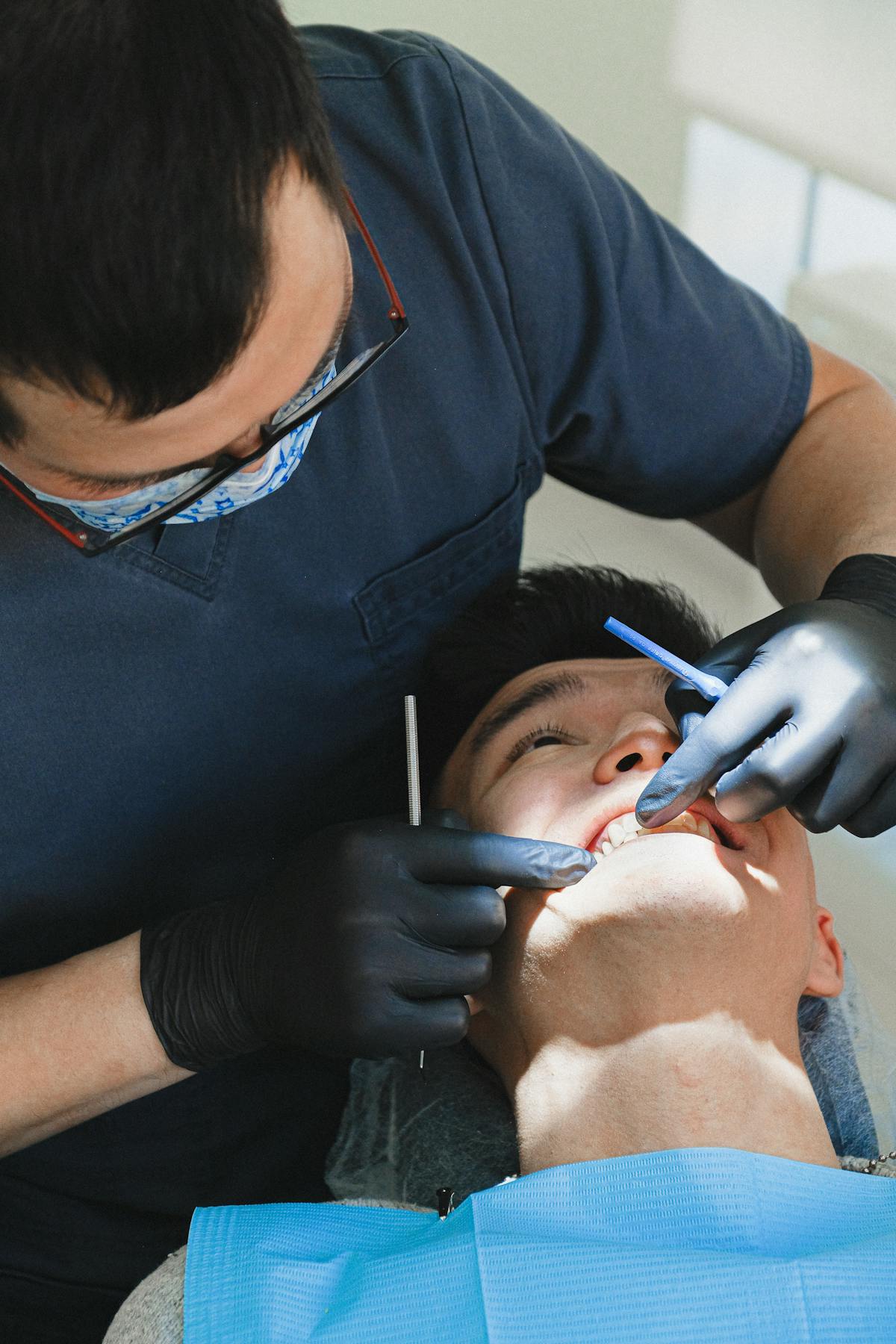
Common Dental Emergencies and What to Do
Knocked-Out Tooth (Avulsed Tooth)
A knocked-out permanent tooth is a genuine time-sensitive emergency. The sooner you act, the better the chance of saving the tooth.
What to do:
1. Find the tooth and pick it up by the crown (the white part) — never touch the root
2. If it's dirty, gently rinse with milk or saline. Do NOT scrub it or use tap water
3. Try to replant it — gently push the tooth back into its socket, biting on a clean cloth to hold it in place
4. If you can't replant it, place the tooth in one of these:
- A glass of cold milk (ideal)
- Saline solution
- Inside your cheek (between your cheek and gum)
- As a last resort, wrap in cling film
5. Get to a dentist within 30 minutes — this significantly improves the chance of saving the tooth
Important: This applies to permanent teeth only. Baby teeth should NOT be replanted.
Severe Toothache
Sudden, intense tooth pain can indicate:
- Deep decay reaching the nerve
- An abscess (infection)
- A cracked or fractured tooth
- Gum infection
What to do:
1. Rinse with warm saltwater to reduce bacteria
2. Take over-the-counter pain relief (ibuprofen is often effective for dental pain — follow label directions)
3. Apply a cold compress to the outside of the cheek if there's swelling
4. Do NOT place aspirin directly on the gum — this can cause tissue burns
5. Book an emergency appointment as soon as possible
Broken or Chipped Tooth
What to do:
1. Save any pieces of the tooth
2. Rinse your mouth with warm water
3. If there's bleeding, apply gentle pressure with gauze
4. Apply a cold compress to reduce swelling
5. See your dentist promptly — even small chips should be assessed to prevent further damage
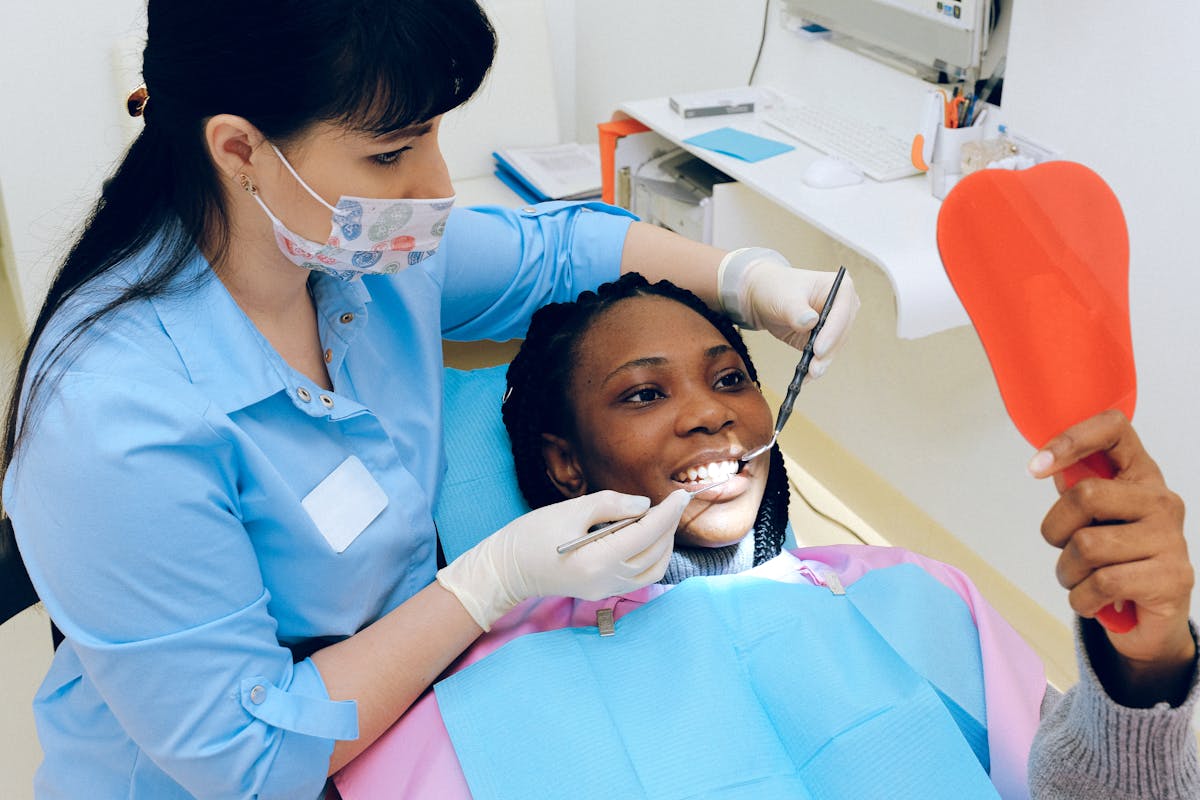
Lost Filling or Crown
A lost filling or crown exposes the underlying tooth structure, which can be sensitive and vulnerable to further damage.
What to do:
1. If a crown has come off, try to keep it safe and bring it to your appointment
2. Apply a small amount of dental cement, denture adhesive, or even sugar-free chewing gum as a temporary cover (available from pharmacies)
3. Avoid chewing on that side
4. See your dentist within a day or two — don't wait weeks, as the exposed tooth can decay rapidly
Abscess (Dental Infection)
A dental abscess is a pocket of pus caused by bacterial infection. Signs include:
- Severe, throbbing pain
- Swelling in the face, cheek, or neck
- Fever
- Sensitivity to hot and cold
- A visible bump on the gum (may look like a pimple)
What to do:
1. Rinse with mild saltwater (half a teaspoon of salt in warm water) to draw pus toward the surface
2. Take pain relief as directed
3. See a dentist urgently — abscesses don't resolve on their own and can spread to other parts of the body
4. If you experience difficulty breathing, swallowing, or a high fever, go to the emergency department immediately
Soft Tissue Injuries
Cuts, tears, or puncture wounds to the lips, cheeks, tongue, or gums.
What to do:
1. Rinse gently with saltwater
2. Apply pressure with a clean cloth or gauze to stop bleeding
3. Apply a cold compress to reduce swelling
4. If bleeding doesn't stop after 15–20 minutes, go to the emergency department
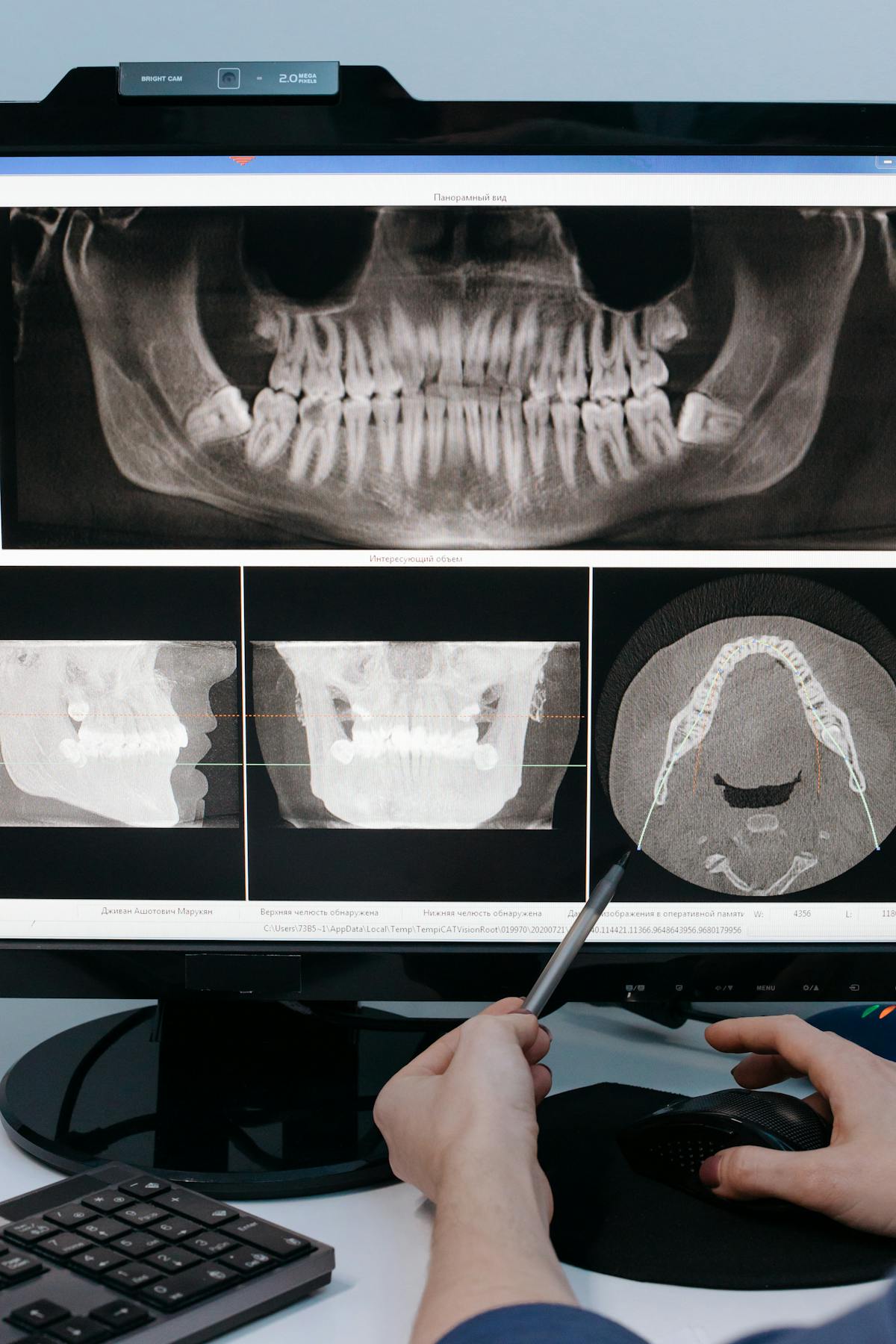
Prevention: Reducing Emergency Risk
While you can't prevent every dental emergency, you can reduce the risk:
- Wear a mouthguard during contact sports and high-risk activities
- Don't chew ice, popcorn kernels, or hard objects — these are leading causes of cracked teeth
- Don't use teeth as tools — opening bottles, tearing packaging, or holding objects
- Maintain regular dental check-ups — weakened teeth can be identified and treated before they break
- Address dental problems early — a small filling today can prevent a cracked tooth tomorrow
What to Keep in a Dental Emergency Kit
Consider keeping these items accessible:
- Dentist's contact number (save it in your phone)
- Small container with a lid (for saving a knocked-out tooth)
- Sterile gauze pads
- Over-the-counter pain relief (ibuprofen and paracetamol)
- Dental cement (available from pharmacies)
- Cold pack
Frequently Asked Questions
Should I go to the hospital emergency department for a dental emergency?
Hospital EDs can manage pain and infection but generally don't perform dental procedures. For most dental emergencies, a dental clinic is the better option. However, if you experience uncontrolled bleeding, difficulty breathing, or signs of a spreading infection, go to the ED immediately.
My child knocked out a baby tooth — what should I do?
Do NOT try to replant a baby tooth, as this can damage the developing permanent tooth underneath. Control any bleeding with gauze, apply a cold compress, and see your dentist for an assessment.
How much does emergency dental treatment cost?
Costs depend on the treatment needed. At Shine Dental, we'll provide a clear treatment plan and cost estimate before proceeding. Many treatments are partially covered by private health insurance.
Can a cracked tooth heal on its own?
No. Unlike bones, teeth cannot repair themselves. A cracked tooth needs professional assessment and treatment to prevent the crack from worsening, which could eventually require extraction.
Shine Dental Emergency Contact
If you're experiencing a dental emergency, contact Shine Dental as soon as possible. We accommodate urgent cases and will advise on immediate steps when you call.
We serve patients from Newington, Sydney Olympic Park, Wentworth Point, Auburn, Silverwater, and Lidcombe.
Call (02) 9748 4822 or contact us online.
Shine Dental — Unit 5, 8 Avenue of Americas, Newington NSW 2127
Open Mon–Wed & Fri 9am–5pm, Thu 9am–12pm