
Gum disease is one of the most common oral health conditions — and one of the most underestimated. In its early stages, it often causes no discomfort at all. Left untreated, it can lead to tooth loss, bone deterioration, and has been linked to serious systemic health issues.

What Is Gum Disease?
Gum disease (periodontal disease) is an infection of the tissues that surround and support your teeth. It's caused by bacteria in plaque — the sticky film that forms on teeth throughout the day.
There are two main stages:
Gingivitis (Early Stage) - Inflammation of the gums - Gums may appear red, swollen, or puffy - Bleeding when brushing or flossing - Usually reversible with improved oral hygiene and professional cleaning
Periodontitis (Advanced Stage) - Infection spreads below the gum line - Bone supporting the teeth begins to break down - Pockets form between teeth and gums, harbouring more bacteria - Teeth may become loose or shift position - Can lead to tooth loss if untreated
Warning Signs You Shouldn't Ignore
Gum disease can develop silently, but there are signs to watch for:
- Bleeding gums — especially when brushing or flossing (healthy gums shouldn't bleed)
- Red, swollen, or tender gums — healthy gums are pink and firm
- Persistent bad breath — bacteria below the gum line produce odour
- Receding gums — teeth appearing longer as gum tissue pulls away
- Loose teeth — a sign of advanced bone loss
- Changes in bite — teeth fitting together differently
- Pus between teeth and gums — a clear sign of infection
- Sensitivity — exposed tooth roots from gum recession cause temperature sensitivity
If you notice any of these signs, book an appointment at Shine Dental for an assessment.

Risk Factors for Gum Disease
Some people are more susceptible to gum disease than others:
- Smoking — the single most significant risk factor; smokers are up to 6 times more likely to develop gum disease
- Poor oral hygiene — insufficient brushing and flossing allows plaque to accumulate
- Diabetes — poorly controlled blood sugar increases susceptibility to infection
- Genetics — some people are genetically predisposed to gum disease
- Medications — some drugs reduce saliva flow or cause gum overgrowth
- Hormonal changes — pregnancy, menstruation, and menopause can make gums more sensitive
- Stress — impairs the immune response and reduces the body's ability to fight infection
- Poor nutrition — vitamin C deficiency, in particular, affects gum health
The Connection Between Gum Disease and General Health
Research has established links between gum disease and several serious health conditions:
- Heart disease — bacteria from gum infections can enter the bloodstream and contribute to arterial plaque
- Diabetes — gum disease makes it harder to control blood sugar, creating a two-way relationship
- Respiratory infections — bacteria from the mouth can be inhaled into the lungs
- Pregnancy complications — gum disease has been associated with premature birth and low birth weight
- Alzheimer's disease — emerging research suggests a potential link between periodontal bacteria and cognitive decline
This is why treating gum disease isn't just about your teeth — it's about your overall health.
Prevention: Your Strongest Defence
Daily Habits - Brush twice daily for at least two minutes using a soft-bristled brush - Floss daily — this removes plaque from between teeth where brushes can't reach - Use an antimicrobial mouthwash if recommended by your dentist - Replace your toothbrush every 3 months or when bristles fray
Lifestyle Factors - Quit smoking — this is the most impactful change you can make - Eat a balanced diet — limit sugary snacks and include foods rich in vitamins C and D - Stay hydrated — water helps wash away food particles and bacteria - Manage stress — chronic stress weakens immune defences
Professional Care - Regular check-ups and cleans — professional cleaning removes tartar that brushing can't - Periodontal assessments — Dr. Cho measures gum pocket depths during check-ups to detect early changes - Early intervention — catching gingivitis early means it can often be reversed
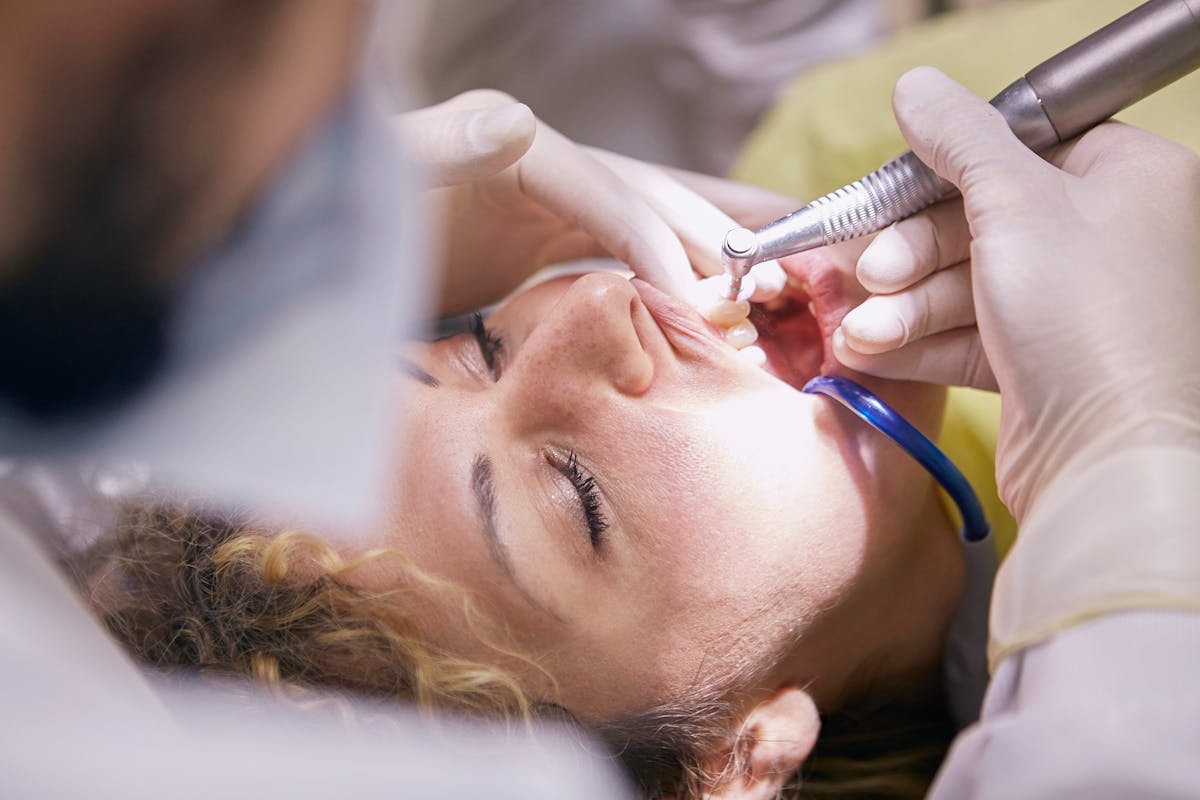
Treatment Options at Shine Dental
If gum disease is detected, treatment depends on the severity:
Gingivitis:
- Professional scale and clean
- Improved home care routine
- Follow-up to confirm improvement
Mild to Moderate Periodontitis:
- Deep cleaning (scaling and root planing) — cleaning below the gum line and smoothing root surfaces
- Antimicrobial treatment
- More frequent maintenance visits
Advanced Periodontitis:
- Surgical intervention may be required
- Bone grafting to rebuild lost bone
- Possible referral to a periodontist for complex cases
- Dental implants to replace teeth lost to gum disease
Frequently Asked Questions
Can gum disease be cured?
Gingivitis can be fully reversed with proper treatment and improved oral hygiene. Periodontitis can be managed and stabilised, but lost bone typically doesn't regenerate on its own (bone grafting may be an option in some cases).
Does gum disease always lead to tooth loss?
Not if caught and treated early. Many patients with gum disease keep their teeth for life with proper management. The key is early detection and consistent professional care.
My gums bleed when I floss — should I stop flossing?
No. Bleeding gums are a sign of inflammation, often caused by insufficient cleaning. Continue flossing gently, and the bleeding should improve within 1–2 weeks. If it persists, see your dentist.
How long does gum disease treatment take?
Gingivitis can often be resolved within a few weeks. Periodontitis requires ongoing management — typically more frequent professional cleans (every 3–4 months) to maintain gum health.
Don't Wait for Symptoms to Worsen
Gum disease is most treatable when caught early. If you've noticed any warning signs — or if it's been a while since your last dental visit — book a check-up at Shine Dental.
We serve patients throughout Newington, Auburn, Wentworth Point, Sydney Olympic Park, Silverwater, and Lidcombe.
Call (02) 9748 4822 or book online.
Shine Dental — Unit 5, 8 Avenue of Americas, Newington NSW 2127
Open Mon–Wed & Fri 9am–5pm, Thu 9am–12pm